Mining Reporting
Ore production, equipment availability, safety & HSE, grade reconciliation, cost per tonne, maintenance, environmental compliance, processing plant performance, and drill & blast reporting for open-cut and underground mining operations. Explore each report type below to see what it measures, why it matters, and how SolveBI builds it on Microsoft Power BI and Fabric for Australian mining businesses.
Mining ESG, Energy & Emissions Reporting
Emissions reporting in mining has moved from a once-a-year regulatory submission to a board-level performance metric. With NGER, the reformed Safeguard Mechanism and mandatory AASB S2 climate disclosure now in force, the same emissions number has to satisfy the regulator, the auditor and the investor - which means it has to be reconciled, traceable and current, not assembled in a spreadsheet at year end.
Mining Stockpile & Ore Inventory Reporting
Ore stockpiles are one of the largest and least-trusted numbers on a mine site balance sheet. Tonnes and grade drift apart from reality with every truck movement and every rehandle, and the gap is usually only discovered at the annual survey. A systematic stockpile reporting framework keeps the book balance honest - and turns stockpiles from an accounting headache into a deliberate blending and feed-management tool.
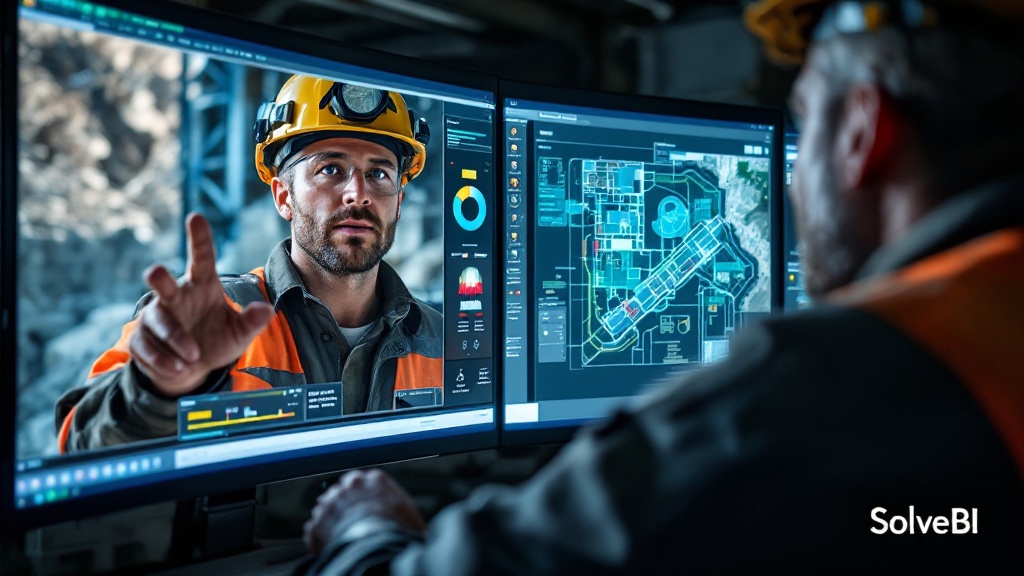
Mine Plan Compliance Reporting
Every mine runs to a plan - a sequence of where to mine, in what order, to what design. Plan compliance reporting measures how closely the operation actually follows it. The gap between plan and reality is where ore loss, dilution and schedule slippage quietly accumulate, and where most of the value erosion in mining happens long before it shows up in the production or grade numbers.
Ore Production & Throughput Reporting
Production and throughput is the number every other mining decision is measured against. Here is what best-practice ore production reporting looks like - and how SolveBI builds it on Power BI and Microsoft Fabric for Australian mine sites.
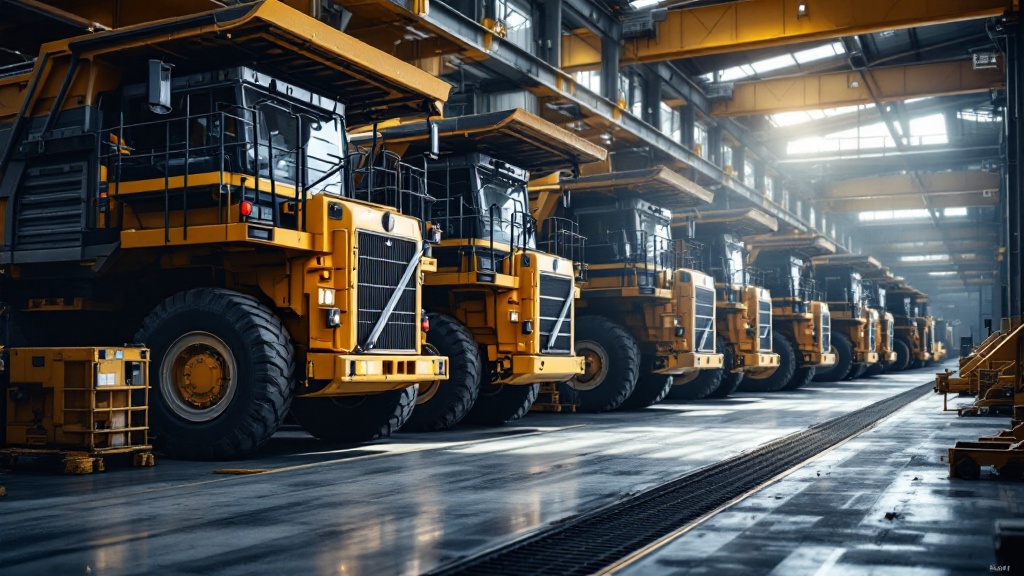
Equipment Availability & Utilisation Reporting
Fleet availability and utilisation is the biggest cost lever in open-cut mining - a 1% improvement in mechanical availability on a large haul truck fleet is worth millions annually. Here is what best-practice equipment reporting looks like and how SolveBI builds it.
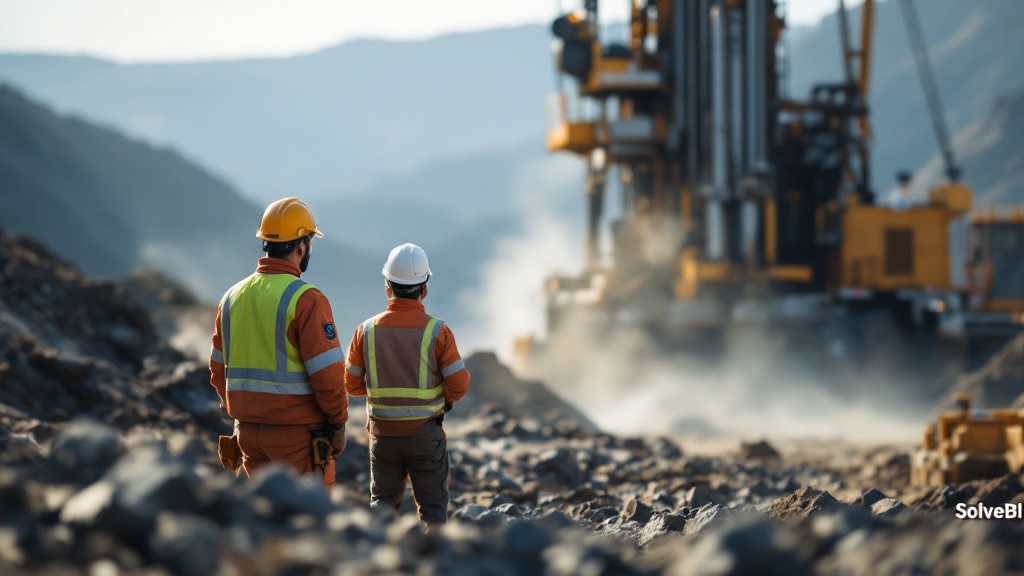
Mining Safety & HSE Reporting
Safety reporting in mining is both a regulatory requirement and a genuine management tool. The difference between a compliance exercise and a tool that actually reduces harm is the move from lag indicators alone to a reporting framework that also surfaces leading measures before incidents occur.

Grade Reconciliation Reporting
Grade reconciliation is where the geological prediction meets operational reality. A systematic reconciliation framework - tracking F-factor, GF-factor and metal factor at every stage from the pit to the concentrate - is what separates mine sites that understand their grade variance from those that discover it at month end.

Mining Cost Per Tonne Reporting
Mining cost reporting - from cost per BCM moved through C1 cash cost to all-in sustaining cost - is where operations, finance and the board converge. When the cost picture is unclear, every budget conversation is harder than it needs to be.

Mining Maintenance & Reliability Reporting
Mining maintenance reporting at its best does two things: it tells the maintenance planner what the fleet looked like yesterday, and it tells the reliability engineer where the fleet is heading tomorrow. The gap between those two is where most maintenance reporting falls short.
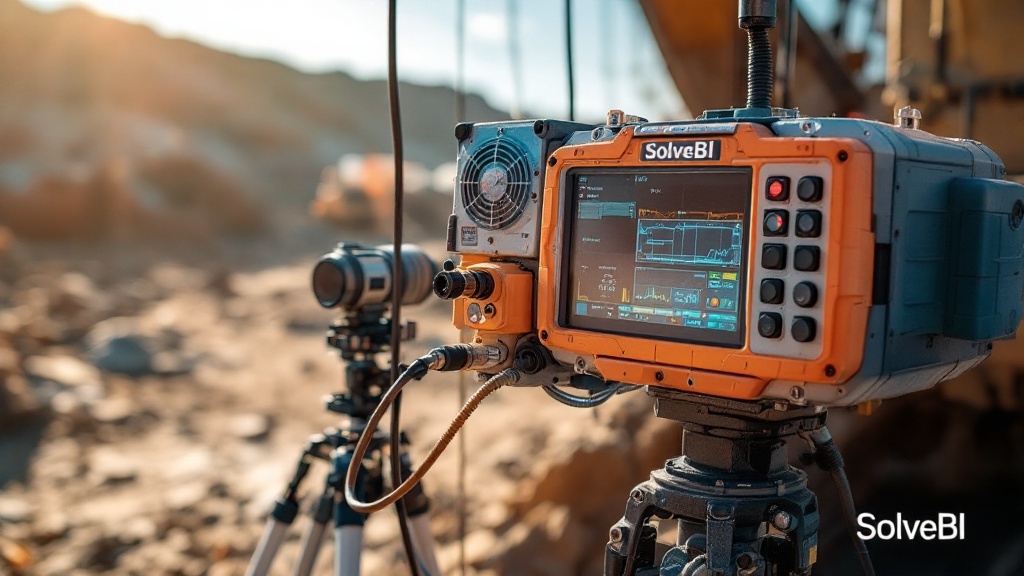
Mining Environmental & Compliance Reporting
Environmental compliance reporting in mining is both a legal obligation and a genuine risk-management tool. A reporting system that consolidates scattered monitoring data into one live compliance view is what separates mine sites that are always audit-ready from those that reconstruct their compliance position at the end of each quarter.
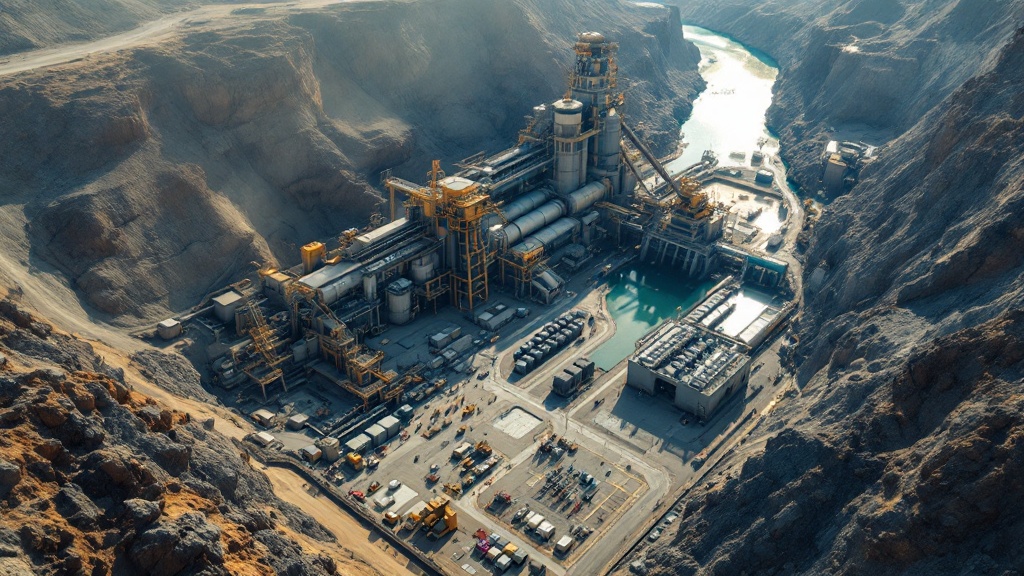
Mining Processing Plant Performance Reporting
Processing plant performance reporting is where the ore body meets the balance sheet. Throughput, feed grade, metallurgical recovery and plant availability are the four levers that determine how much metal comes out - and what it costs to produce it.
Drill & Blast Performance Reporting
Drill and blast is the first process in the mining value chain - and its output quality ripples through every downstream activity. Fragmentation determines dig rate, cycle time, crusher throughput and mill grind efficiency. A systematic drill and blast reporting framework is how mine sites identify the blast designs that produce the downstream outcomes they need.
Need a custom mining report?
We build production-grade Power BI and Microsoft Fabric reporting tailored to the way your mining business actually operates. Talk to a Perth-based consultant - no sales script, no obligation.